
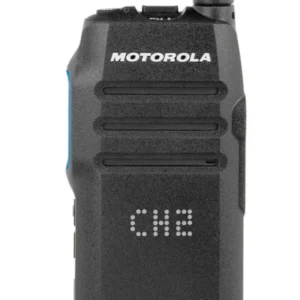
Motorola APX radios are more than just handheld devices — they are part of a comprehensive ecosystem designed to keep first responders connected, informed, and operational in high-stakes environments. From hardware and software to support services, the APX ecosystem ensures teams have everything they need to communicate reliably and securely.
1. APX Devices: The Core of the Ecosystem
The APX family includes a range of devices built for mission-critical communication, each suited to different operational needs:
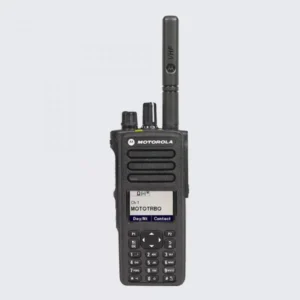
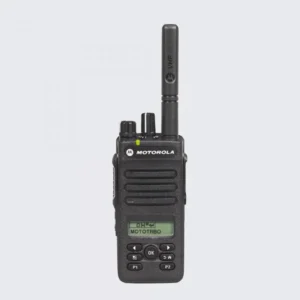
- APX Portable Radios: Handheld radios like the APX 8000, APX 6000, and APX Next XE provide multi-band, multi-mode communication, rugged durability, and adaptive audio for clear transmissions in chaotic environments.
- APX Mobile Radios: Vehicle-mounted radios for patrol cars, fire trucks, and command centers. Offer enhanced power, extended range, and integration with vehicle electronics.
- APX Accessories: Remote speaker microphones, high-capacity batteries, headsets, antennas, and carry solutions extend functionality, improve ergonomics, and adapt radios to various operational contexts.
Key takeaway: The hardware is designed to work together seamlessly, ensuring reliable voice and data communications across multiple agencies and environments.
2. APX Software: Intelligence and Management
The APX ecosystem is supported by a suite of software solutions to manage, monitor, and enhance radio performance:
- Programming & Configuration Software: Tools like Customer Programming Software (CPS) allow agencies to configure radios, program channels, talkgroups, and encryption keys.
- Over-the-Air Programming (OTAP) & Re-Keying (OTAR): Update radios remotely, push firmware upgrades, or rotate encryption keys without retrieving units from the field.
- APX Fleet Management Software: Provides device monitoring, usage tracking, and diagnostics, enabling IT or radio managers to optimize operations and preempt maintenance issues.
- Integration with Dispatch & CAD Systems: APX radios can interface with computer-aided dispatch systems, mapping software, and other public safety platforms for real-time situational awareness.
Key takeaway: The software ecosystem ensures radios are up-to-date, secure, and tailored to your team’s operational requirements.
3. APX Support & Services
No ecosystem is complete without robust support. Motorola offers a comprehensive service and support network:
- Technical Support: 24/7 access to trained professionals who can troubleshoot hardware, software, or integration issues.
- Maintenance & Repairs: On-site or depot-level repair, preventive maintenance, and parts replacement to maximize device longevity.
- Training & Documentation: Courses, manuals, and online resources to ensure personnel can use radios effectively and safely.
- Extended Warranties & Service Contracts: Options for long-term protection, minimizing downtime and ensuring continuity of operations.
Key takeaway: The support ecosystem ensures that your investment in APX radios continues to deliver reliable, mission-critical performance over time.
4. Why the APX Ecosystem Matters
- Interoperability: Devices, software, and support work together to keep multi-agency teams connected across different bands, networks, and operational scenarios.
- Efficiency: Centralized management, remote updates, and fleet monitoring reduce administrative overhead and downtime.
- Safety: Adaptive audio, rugged devices, GPS tracking, and emergency features ensure responder safety in the field.
- Scalability: The ecosystem grows with your organization, supporting new radios, accessories, or software modules without disruption.
Conclusion
The Motorola APX ecosystem is more than just a set of radios — it’s a fully integrated communication solution combining advanced hardware, powerful software, and comprehensive support. Agencies that leverage the full ecosystem enjoy enhanced operational efficiency, better safety, and long-term reliability, making APX radios a cornerstone of modern public safety and mission-critical communications.

